

Medical Graphology: Clinical Screening & Holistic Assessment
Dr. Fatema Palgharwala (Homeopathic Consultant & Certified Graphologist)

Welcome to the clinical screening division of Happy Clinics. Led by Dr. Fatema Palgharwala, a pioneering Homeopathic Consultant with over 20 years of clinical research and hands-on experience, our practice integrates the medical sciences with objective neuromuscular analysis (graphology).
By evaluating micro-patterns in handwriting as physiological and psychological indicators, we offer a non-invasive, objective screening tool to identify systemic stress, cellular imbalances, and chronic health risks before physical symptoms fully manifest.
The Science & Journey Behind the System
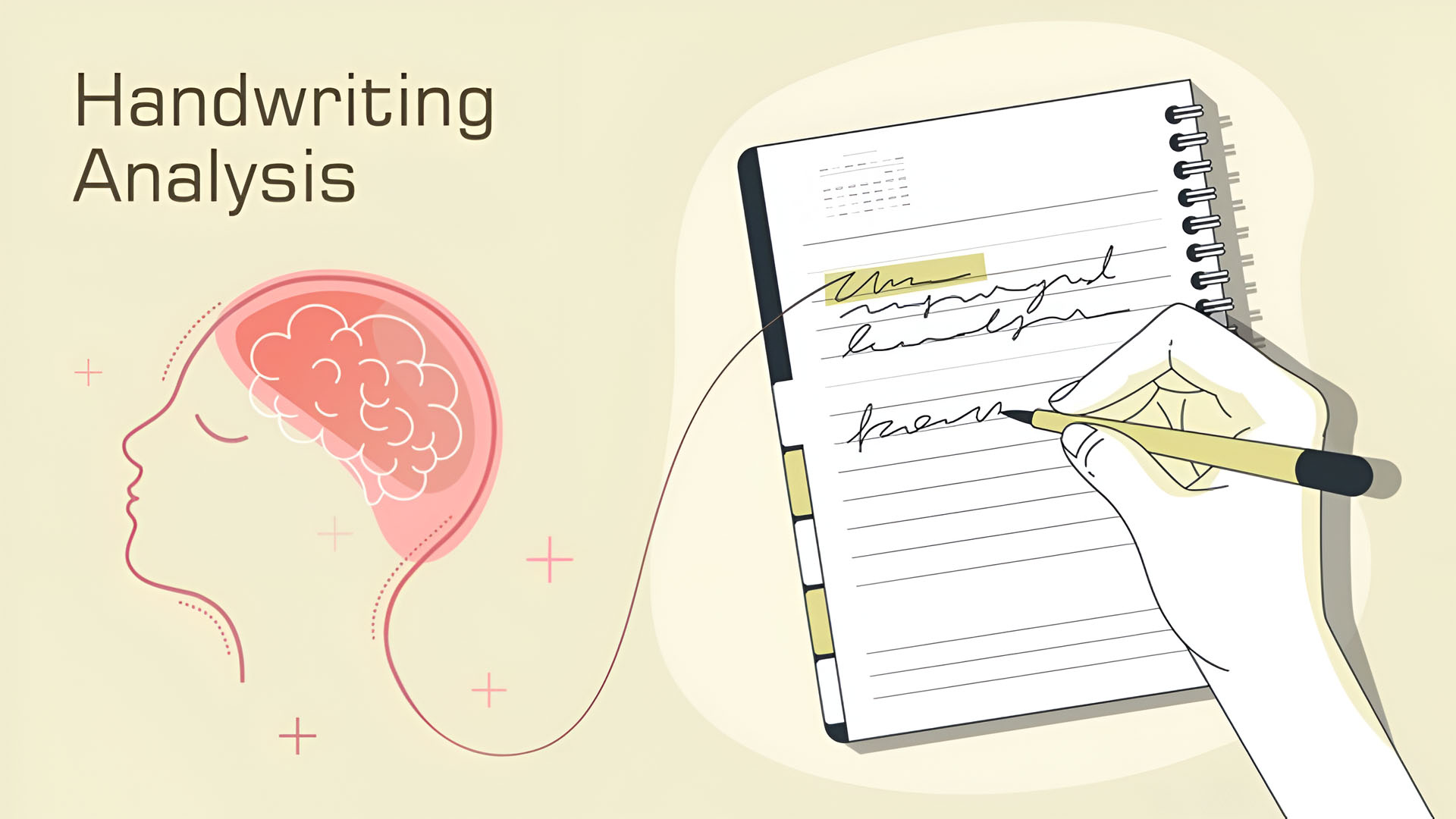
The foundation of clinical graphology rests on a well-established neurological truth: handwriting is brain-writing. The intricate coordination required to produce written text involves complex pathways between the cerebral cortex, the central nervous system, and the fine motor muscles of the hand.
A 20-Year Clinical Foundation
Dr. Fatema Palgharwala’s journey began during her medical college training. Seeking objective methods to enhance and accelerate traditional, lengthy patient history-taking, she recognized that neuromuscular micro-patterns offered a direct, unfiltered window into a patient’s state of health. Supported by medical faculty and professors, she authored a groundbreaking research thesis validating graphological insights against clinical case files.
This validated system was officially utilized during her hospital internship and has since evolved through two decades of structured research, data analysis, and thousands of documented patient outcomes. Today, this proven diagnostic screening methodology is fully operational across all Happy Clinics locations.
Clinical Protocols: Our Step-by-Step Screening Process
To ensure high standards of clinical accuracy, transparency, and patient comfort, every assessment follows a structured, multi-stage protocol:

Initial Consultation & Consent

Sample Collection Protocol
- Testing Medium: Samples are captured on high-grade, unlined paper.
- Clinical Purpose: Eliminating lines allows the natural baseline alignment, spatial rhythm, variable pen pressure, and stroke velocity to manifest without external constraints.

Comprehensive Graphological Observation
- Macro Analysis: Evaluation of the overall spatial layout, paragraph margins, line spacing, and general structural flow.
- Micro Analysis: High-precision evaluation of stroke pressure uniformity, the geometry of lower and upper loops
(such as in the letters g, y, and h), precise dotting habits, baseline variations, and the spatial alignment of the signature relative to the primary body of text.
Neuromuscular Pattern Detection

Risk Mapping & Holistic Interpretation

Integrative Screening Recommendation
- Conventional Diagnostic Referrals: We immediately refer patients for corresponding clinical diagnostics, including advanced imaging, comprehensive blood profiles, or biopsies at our affiliated hospitals and clinics
- Constitutional Homeopathy: As a medical Homeopathic Consultant, Dr. Fatema prescribes highly tailored constitutional remedies designed to address the underlying vital force and restore systemic harmony.
- Lifestyle & Stress Modulation: Patients receive specific lifestyle, wellness, and targeted advice to support physical and emotional recovery.

Follow-Up
Professional Training: Happy Handwriting Academy
Believing that medical breakthroughs should be shared globally, Dr. Fatema Palgharwala regularly trains aspiring and professional graphologists through Happy Handwriting.
Global Student Base: We form structured training batches serving students worldwide, spanning ages 14 to 99+.
Career Application: Our global alumni successfully apply this specialized knowledge to enhance their careers in medical screening, human resources, counseling, and holistic wellness
Contact Us to Register for the Next Training Batch
AYUSH Compliance Note & Medical Disclaimer
This website page is for educational and screening informational purposes under AYUSH guidelines. Medical Graphology at Happy Clinics is utilized strictly as a non- invasive, complementary screening and assessment aid. It is not a standalone diagnostic tool, nor is it intended to replace conventional clinical imaging, laboratory pathology, or standard medical diagnostic testing. All high-risk indications are systematically verified through standard clinical diagnostic channels.